
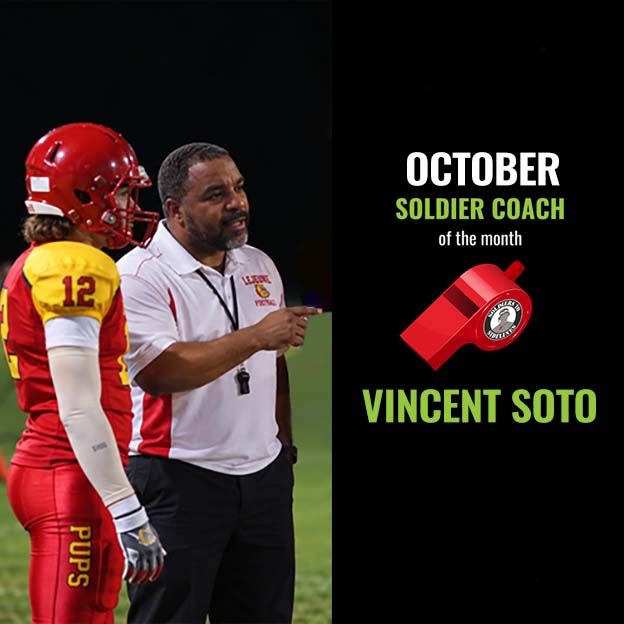
For Vincent M. “Vince” Soto, the most important lessons he learned through football had little to do with the game itself.
Growing up in a single-parent household, Soto found an influential mentor in his high school football coach, William Stevens. Coach Stevens taught him the fundamentals of football, but his influence extended well beyond the field. He taught Soto how to be a responsible young man, how to tie a tie, and what it truly meant to be a student-athlete.
Years later, those lessons continue to shape the way Soto approaches coaching.
A retired U.S. Navy Senior Chief Petty Officer with 26 years of military service, Soto has spent much of his life leading, mentoring, and developing others. Today, he serves as the varsity running backs coach, analyst, and scouting coordinator at Anclote High School in Holiday, Florida, where he brings nearly two decades of football coaching experience to the sidelines.
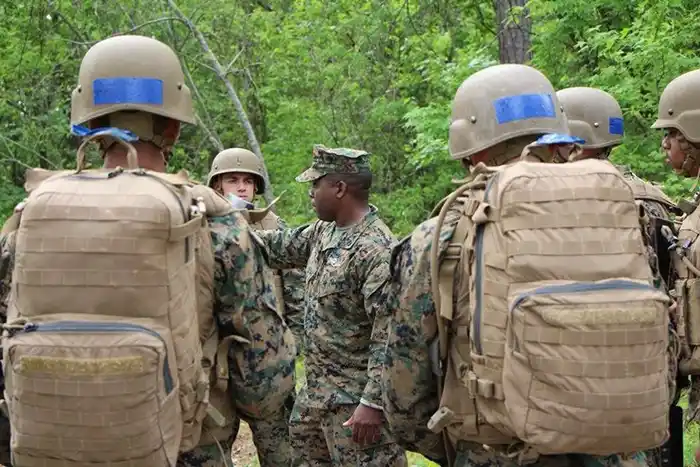
His coaching journey began in 2007 as an offensive assistant with the Brooklyn Cardinals. Although active-duty responsibilities occasionally required him to step away from coaching, his commitment to the game and the young people who play it never disappeared.
For Soto, coaching has always been about more than developing better football players. It is an opportunity to provide young athletes with the same kind of guidance, encouragement, and mentorship that helped shape his own life.
That commitment to developing people extends beyond the football field.
As a Department of Labor Employment Facilitator, Soto also works with transitioning service members, veterans, and military spouses as they prepare to enter the civilian workforce. Whether helping a young running back improve his technique or guiding a veteran through a career transition, he approaches both responsibilities with the same philosophy: recognize the individual, understand their challenges, and help them discover their potential.
Since joining Soldiers To Sidelines in 2021, Soto has continued strengthening that approach to leadership. The organization has provided opportunities to learn from professional coaches, connect with fellow military veterans, and embrace the importance of remaining a student of the game regardless of experience.
Some of his most meaningful coaching memories, however, have come from working with his own sons. Having the opportunity to serve as both their father and coach reinforced his belief that the greatest rewards of coaching are found in the growth of the people behind the players.

For Soto, success isn’t simply measured by victories or championships. It is reflected in the confidence athletes develop, the challenges they overcome, and the kind of people they become long after their playing days are over.
In this month’s Soldier Coach of the Month Q&A, Coach Soto shares how his high school coach inspired his journey, the leadership lessons he carried from the Navy, the impact Soldiers To Sidelines has had on his life, and why helping others recognize their potential remains his greatest motivation.
Q&A with Coach Vincent Soto
STS: How long have you been coaching?
Coach Soto:
I’ve been coaching football since 2007, a span of 19 years. I have taken breaks during my active-duty time, but my first team was the Brooklyn Cardinals, where I served as an offensive assistant in 2007.
STS: Tell your story about how and why you got into coaching. How has coaching impacted you as a person?
Coach Soto:
William Stevens is the how and the why.
Coach Stevens was my high school coach. I grew up in a single-parent household, and by the time I got to high school, Coach Stevens was an impactful male figure in my life.
He taught me more than just football. He taught me how to be a responsible young man, how to tie a tie, and the definition of being a student-athlete.
Coaching goes beyond football for me. It’s an opportunity to add value to a young man or young woman. It’s an opportunity to have a positive impact on that student-athlete’s life.
As a coach, you are often their getaway from what the rest of life brings to them outside of that sport. It’s our responsibility to guide them to become successful young adults.
That is how coaching has impacted me as a person.
STS: How has your military experience influenced you as a coach?
Coach Soto:
The United States Navy has profoundly shaped who I am as a leader, educator, mentor, and coach.
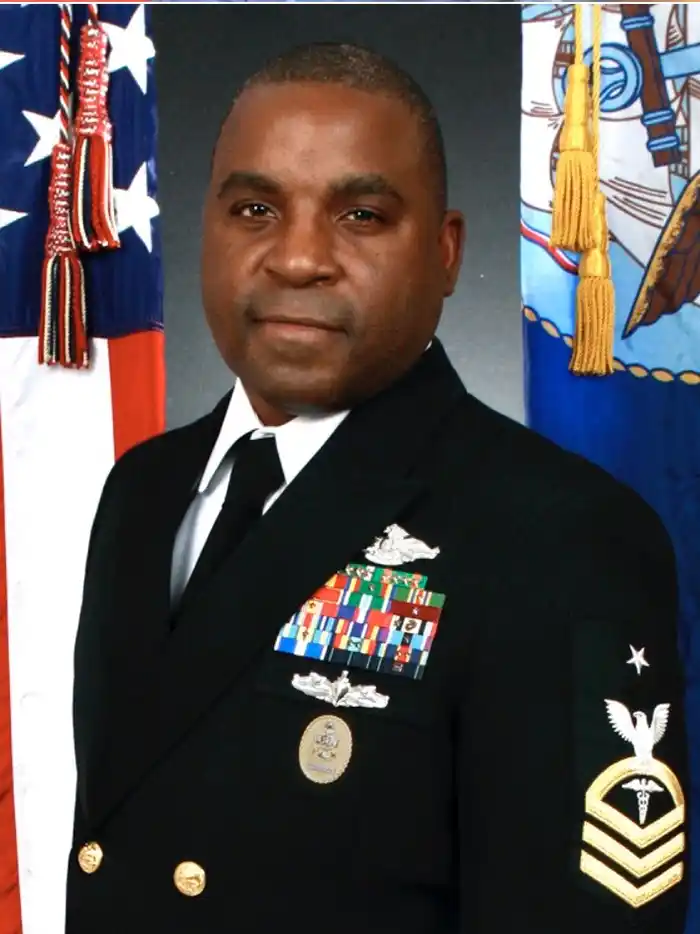
Throughout my military career, I learned that effective leadership is not simply about giving direction or achieving objectives. It is about understanding people, recognizing their potential, building trust, and creating an environment where individuals are inspired to become the best versions of themselves.
The military taught me the importance of discipline, accountability, teamwork, resilience, preparation, and leading by example.
However, one of the most valuable lessons I carried from my military service into coaching is that leadership is not about how many people follow you, but how many people you help develop into leaders themselves.
What makes my coaching journey particularly meaningful is that I have the privilege of coaching in two very different environments.
On the football field, I work with young athletes, teaching them fundamentals, developing their skills, building their confidence, and helping them understand the importance of teamwork, perseverance, and overcoming adversity.
Off the football field, I serve as a Department of Labor Employment Facilitator, where I coach transitioning service members, veterans, and military spouses as they prepare for one of the most significant changes in their lives: transitioning from military service into the civilian workforce.
I help them recognize their transferable skills, identify career opportunities, prepare for employment, and, perhaps most importantly, rediscover their confidence and recognize their value beyond the uniform.
Although these two environments may appear different, I have discovered that the principles of effective coaching are remarkably similar.
Whether I am working with a young running back struggling to master a fundamental technique or a transitioning service member uncertain about their professional future, my responsibility is the same: meet them where they are, recognize their potential, provide the tools and encouragement they need, and help them believe they are capable of achieving more than they initially thought possible.
STS: How has Soldiers To Sidelines impacted your life?
Coach Soto:
Since becoming involved with Soldiers To Sidelines in 2021, the organization has had a profound impact on my life, not simply by helping me become a better coach, but by reinforcing my purpose, challenging my perspectives, and reminding me that our greatest contributions to others often begin when we are willing to continue growing ourselves.
After serving 26 years in the United States Navy, I understood the importance of leadership, discipline, accountability, teamwork, and developing people. However, Soldiers To Sidelines helped me recognize how those experiences could be translated into something even greater through coaching.
It provided me with an opportunity to take the leadership principles I practiced throughout my military career and apply them in ways that positively influence the next generation of young men and women.
One of the greatest lessons Soldiers To Sidelines has reinforced is the importance of remaining a student, regardless of how much experience we possess.
Having coached football for decades, I entered this community with considerable experience but quickly recognized there was still so much more to learn.
STS challenged me to become comfortable being uncomfortable, to embrace vulnerability, and to allow myself to be coached so that I could become more effective at coaching others.
What makes Soldiers To Sidelines particularly meaningful to me is the sense of belonging and shared purpose.
Being surrounded by fellow veterans, military-connected coaches, and professionals who genuinely care about developing people has reminded me of the camaraderie I experienced throughout my military career.
We may come from different branches of service, backgrounds, and coaching experiences, but we share a common mission: to serve others and make a difference.
My experiences participating in STS events, including opportunities to learn from professional coaches and work directly with young athletes, have strengthened my belief that coaching is about much more than teaching fundamentals, executing plays, or winning championships.
It’s about building relationships, instilling confidence, developing character, and helping young people recognize potential they may not yet see in themselves.
STS: Describe a coaching interaction with a player or group of players that has a special place in your heart.
Coach Soto:
Throughout my coaching journey, I have had the privilege of working with countless young athletes, watching them develop their skills, overcome adversity, and grow into confident individuals.
However, one of the most meaningful and rewarding experiences of my coaching career has been having the opportunity to coach my own sons.
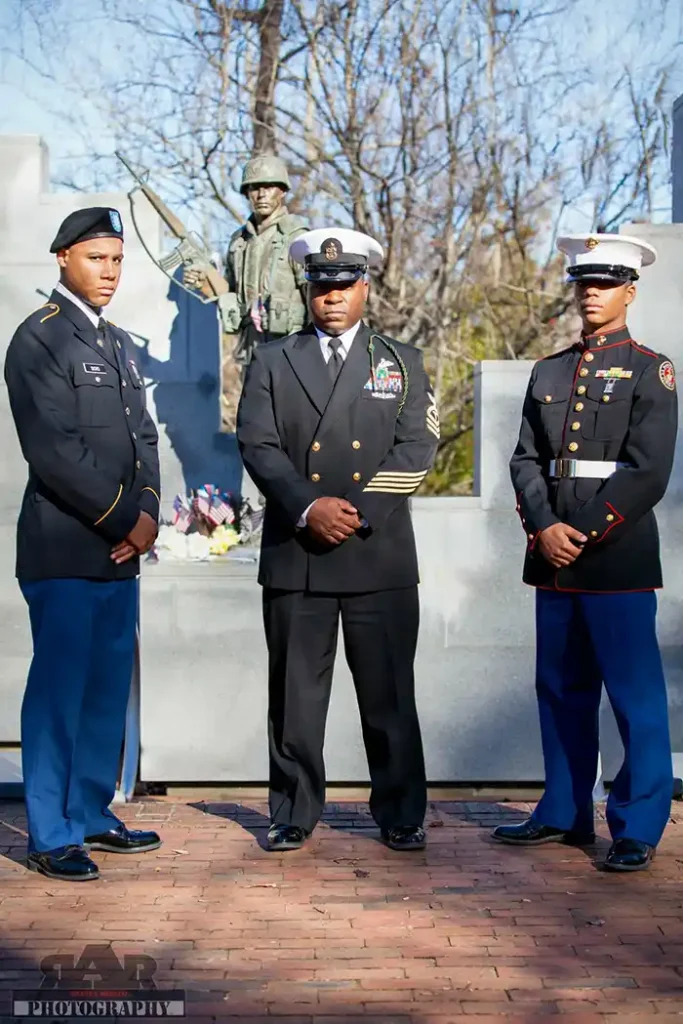
As a coach, there is something incredibly special about watching an athlete develop from learning the basic fundamentals of the game to becoming bigger, stronger, faster, and more confident in their abilities.
But when those athletes are your own children, the experience takes on an entirely different meaning.
I had the privilege of being both their coach and their father, two roles that challenged me, inspired me, and taught me lessons that I will carry for the rest of my life.
I watched my sons progress from young boys learning how to properly execute a drill, understand an assignment, and master the fundamentals of football to young athletes developing the physical strength, mental toughness, discipline, and confidence necessary to compete at higher levels.
What made those moments particularly special wasn’t simply watching them become better football players. It was witnessing their personal growth along the way.
I watched them learn how to handle adversity, accept constructive criticism, overcome disappointment, celebrate accomplishments with humility, and understand that success requires commitment, sacrifice, and hard work.
There were moments when I had to challenge them as their coach, moments when I needed to encourage them as their father, and moments when the most important thing I could do was simply step back and allow them to discover what they were capable of accomplishing on their own.
As a coach, I took pride in watching their athletic development.
As a father, I found my greatest joy in watching them grow into responsible, respectful, and confident young men.
STS: What are your aspirations in coaching?
Coach Soto:
My aspirations in coaching extend far beyond the football field, the scoreboard, or the pursuit of championships.
While I certainly aspire to be a successful coach and contribute to a winning program, my greatest aspiration is to make a lasting difference in the lives of the young men and women I have the privilege of coaching.
Having served 26 years in the United States Navy, along with decades of experience in education, leadership development, mentoring, and coaching, I have come to understand that true leadership is not measured solely by personal accomplishments, but by the impact we have on others.
I aspire to be the kind of coach who sees potential in an athlete before that athlete recognizes it in themselves.
I want to challenge young people to step outside their comfort zones, embrace adversity, develop confidence, and understand that failure is not the opposite of success, but often an essential part of achieving it.
STS: What was the most difficult challenge you have experienced in coaching, and what have you learned from that experience?
Coach Soto:
One of the most difficult and, at times, frustrating challenges I have experienced in coaching is keeping athletes motivated, engaged, and committed, particularly when they are facing adversity, experiencing repeated setbacks, or simply not demonstrating the same level of passion and dedication that I have for the game.
I come from an environment where discipline, accountability, teamwork, and commitment are fundamental expectations.
However, coaching young athletes has taught me that you cannot expect every athlete to share your level of motivation, nor can you assume that what motivates one individual will motivate another.
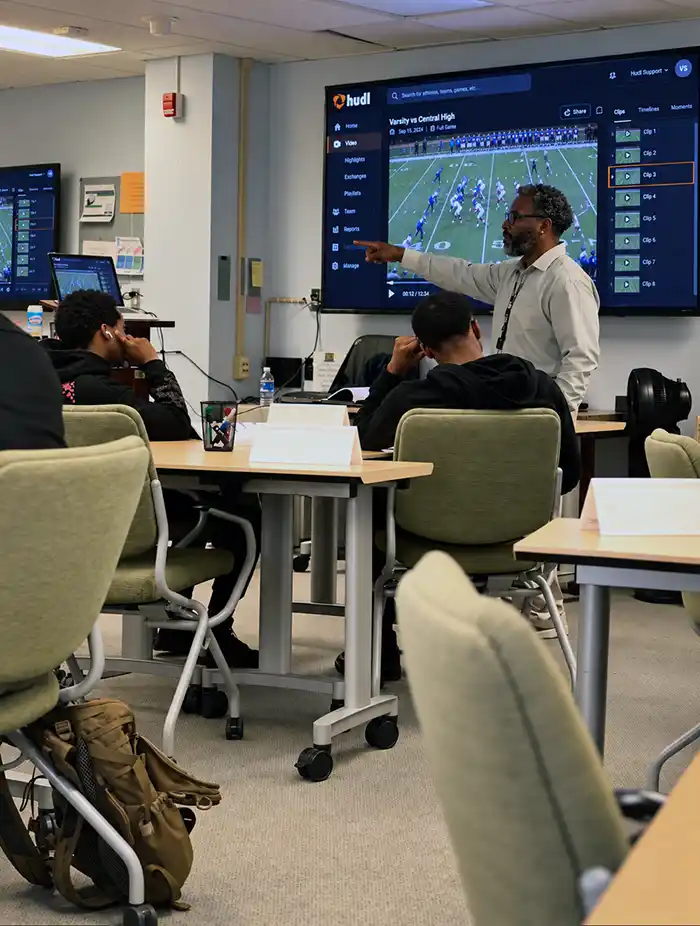
There have been moments when I have questioned why an athlete doesn’t seem to recognize their own potential, why they aren’t giving maximum effort, or why the same fundamentals must be reinforced repeatedly.
As a coach who genuinely cares about their development, that can be extremely frustrating, especially when you see abilities in young athletes that they have yet to recognize in themselves.
I’ve learned one of the most valuable lessons in coaching: You cannot simply demand motivation; you must create an environment that inspires it.
I’ve had to remind myself that every athlete comes from a different background, faces different challenges, and has different reasons for playing the game.
Some are naturally competitive, others are searching for belonging, and some are still trying to discover their confidence and purpose.
What I’ve learned is that effective coaching requires patience, adaptability, and, most importantly, relationships.
Before I can expect an athlete to respond to my coaching, I must first understand what drives them, what challenges them, and what may be preventing them from reaching their full potential.
STS: Is there anything else you can share with us about your coaching story?
Coach Soto:
If there is one thing I would want others to understand about my coaching journey, it is just how incredibly rewarding coaching has been in my life.
Throughout my years of military service, I have experienced many accomplishments, but few things compare to the personal fulfillment that comes from making a positive difference in someone else’s life.
Coaching is one of those rare opportunities where you can give so much of yourself to others and somehow receive even more in return.
There is something special about watching a young athlete struggle with a skill, work tirelessly to improve, and eventually experience that moment when everything comes together.
Seeing their confidence grow, their determination strengthen, and their excitement when they accomplish something they once thought was impossible is a reward that no scoreboard or championship trophy can replace.
Continuing the Legacy Through Coaching
From the lessons he learned as a young football player under Coach William Stevens to his 26 years of service in the United States Navy, Vincent Soto’s journey has been shaped by the people who invested in him and the responsibility he now feels to invest in others.
Today, that commitment continues through his work with student-athletes at Anclote High School, his mentorship of transitioning military members and their families, and his continued development within the Soldiers To Sidelines community.
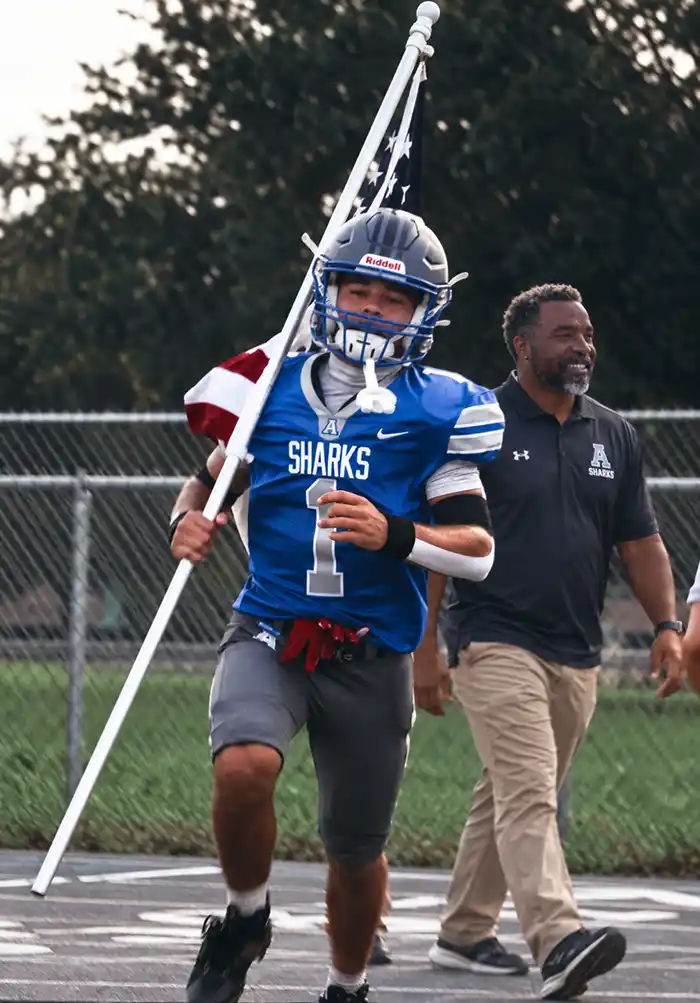
His story is a reminder that the influence of a great coach can extend well beyond a single season, a championship, or even a lifetime in sports.
Coach Stevens helped shape the young man Vince Soto would become. Now, Coach Soto has the opportunity to carry that same influence forward for the next generation.
Soldiers To Sidelines is proud to recognize Vincent M. Soto as our October 2026 Soldier Coach of the Month.