Four Nights of Learning, Leadership, and Practical Application
From October 19–22, 2026, Soldiers to Sidelines brought together members of the military community for four nights of education, collaboration, and professional development during the 2026 Virtual Sports Performance Coaching Certification Seminar. With 445 participants joining at the peak of opening night, the seminar provided Soldier Coaches with an opportunity to learn from experienced coaches and industry professionals while expanding their knowledge of strength and conditioning, athletic development, leadership, and performance programming.
Made possible through the generous support of Wounded Warrior Project, the seminar reinforced a central belief of Soldiers To Sidelines: great coaching requires more than technical knowledge. It requires the ability to inspire, communicate, adapt, and positively influence the lives of others.
Throughout the four-night experience, presenters Harrison Bernstein, Johannah Zabal, Giovanni Urrutia, Tex McQuilkin, Steve Watterson, Melissa Mercado, and Martin Rooney shared practical lessons designed to help Soldier Coaches become more effective leaders and better serve the athletes and communities they coach.
Day 1: The Foundations of Sports Performance and Coaching Leadership
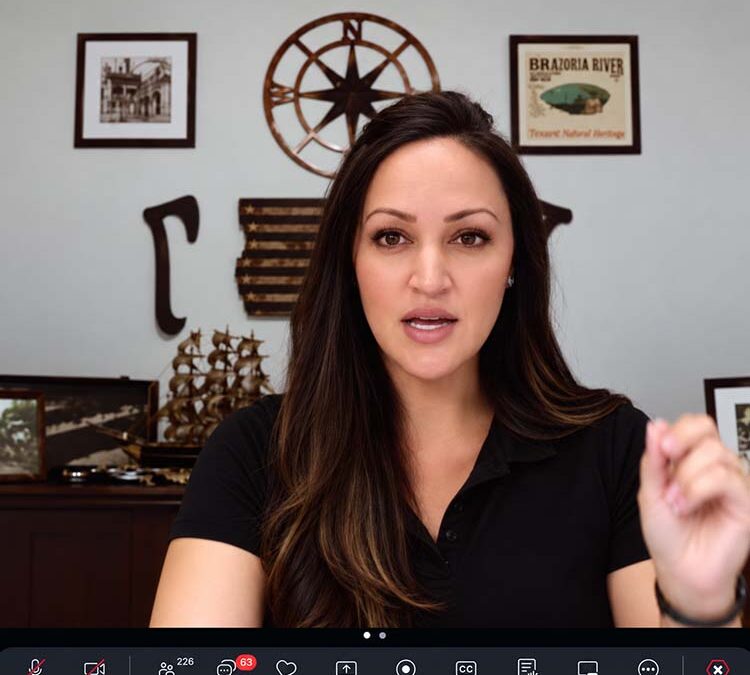
The seminar opened with Soldiers To Sidelines Founder Harrison Bernstein and Sports Performance Director Johannah Zabal introducing the fundamental principles of sports performance coaching and the importance of maintaining a lifelong learning mindset.
Johannah presented a five-part framework for athletic development built around strength, speed, conditioning, nutrition, and sleep. Through interactive discussions, participants explored how these interconnected components influence performance and how coaches can use an understanding of the body’s adaptations to develop athletes effectively.
Harrison then challenged participants to reconsider what truly makes a successful coach through his Inverted Pyramid of Coaching Success. Rather than beginning with technical knowledge and strategy, Harrison emphasized the importance of inspiration and motivation as the foundation of effective coaching.
His message centered on understanding an athlete’s individual purpose, creating an empowering environment, and recognizing that the ability to connect with people is just as important as the ability to design a training program.
The evening concluded with strength and conditioning fundamentals, including absolute and relative strength, muscular adaptations, core stability, and foundational movement patterns.
Day 1 established an important theme that would carry throughout the seminar: developing better athletes begins with developing better coaches.
Day 2: Understanding Conditioning, Communication, and Athletic Movement
Day 2 shifted the focus toward applying sports science and strengthening the relationships that make coaching effective.
Giovanni Urrutia led a detailed discussion on energy systems and conditioning, exploring how different training demands influence athletic performance. From short bursts of high-intensity effort to sustained conditioning and aerobic development, Giovanni explained how coaches can structure programs to meet the demands of their athletes and their sports.
He emphasized the importance of progressive training, proper recovery, and recognizing the difference between productive effort and unnecessary exhaustion. His presentation reinforced that effective conditioning is not simply about training harder, but training with purpose.
Harrison Bernstein continued the evening by examining the foundations of effective coaching, including knowledge, communication, preparation, and the environment coaches create for their athletes.
Through the CARE framework—Connecting, Authenticity, Rapport, and Empathy—Harrison challenged Soldier Coaches to prioritize relationships, communicate with compassion and candor, and understand the individuals behind the athletes they lead.
The evening also explored the biomechanics of speed, acceleration, and change of direction. Through practical demonstrations, participants examined how center of gravity, body positioning, force application, and foot placement influence athletic movement.
Together, these sessions highlighted the connection between understanding performance science and communicating that knowledge in ways athletes can understand and apply.
Day 3: Coaching and Cueing, Programming, and Practical Application
Day 3 focused on translating coaching knowledge into meaningful athlete development through effective instruction and purposeful training design.
Tex McQuilkin opened the evening with an engaging presentation on coaching and cueing, challenging participants to think critically about how athletes learn and how coaches communicate.
Using principles of motor learning, Bloom’s Taxonomy, and the stages of competence, Tex explained the importance of meeting athletes at their current level of development and adjusting instruction accordingly.
He introduced a four-phase approach to teaching movement—Define, Model, Shape, and Reinforce—while emphasizing the importance of clear cues, positive relationships, and creating environments where athletes feel comfortable learning and making mistakes.
One of his central messages was simple: “There is no failure, only feedback.”
Tex also explored the importance of building trust with athletes and parents, recognizing that meaningful coaching extends beyond performance outcomes to include confidence, character, and personal development.
Sports Performance Director Johannah Zabal followed with an in-depth session on programming and periodization, helping participants understand how to organize training across different phases of an athletic season.
From macrocycles, mesocycles, and micro cycles to training intensity, volume, recovery, and progression, Johannah emphasized the importance of designing programs around the individual athlete rather than applying a one-size-fits-all approach.
The evening concluded with interactive breakout-room exercises, where Soldier Coaches collaborated to develop training recommendations for a youth soccer player, collegiate football player, and firefighter.
These activities challenged participants to evaluate individual needs, select appropriate exercises, and explain their programming decisions while receiving feedback.
Day 3 reinforced that effective coaching is not simply about knowing what to teach, but understanding how, when, and why to teach it.
Day 4: Turning Knowledge into Action and Finishing Strong
The final evening brought four nights of learning full circle, challenging Soldier Coaches to turn new knowledge into meaningful action.
Steve Watterson opened with a discussion on implementing new coaching methods responsibly. Drawing from his experience in strength and conditioning, Steve warned against the “garbage can effect” of adding too many new concepts into an existing program without considering their purpose or effectiveness.
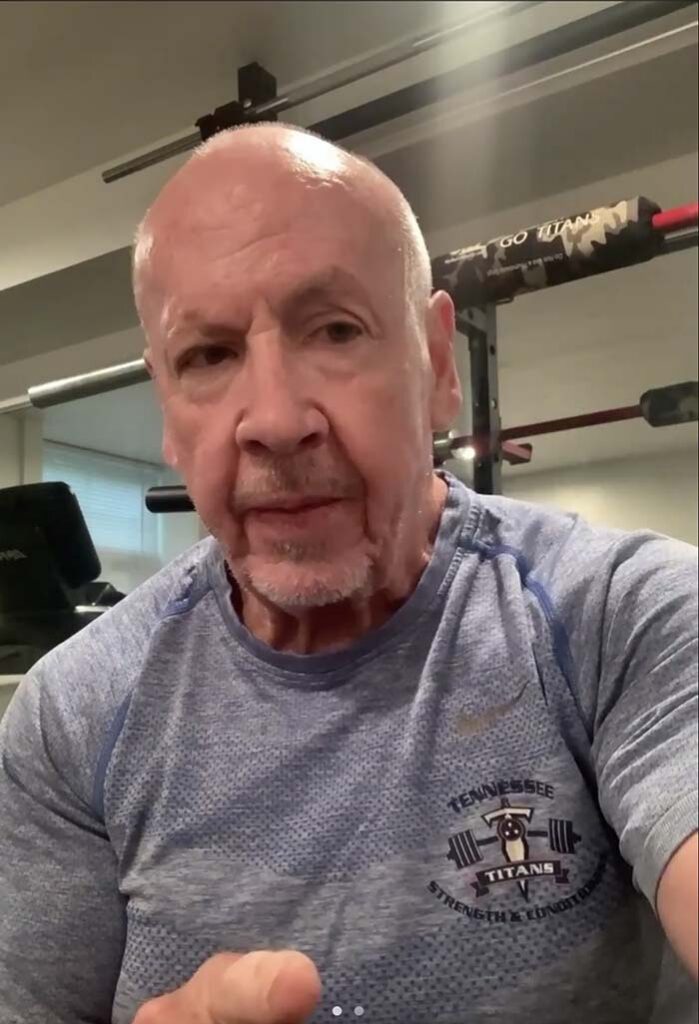
He encouraged participants to apply new knowledge thoughtfully, maintain structured training plans, and prioritize the long-term development and health of their athletes.
Melissa Mercado then guided Soldier Coaches through an interactive workshop using TeamBuildr, a strength and conditioning programming platform.
Participants learned how to organize training sessions, select exercises, adjust sets and repetitions, manage training intensity, and build structured workout programs based on individual athlete needs.
The hands-on learning continued through breakout-room activities, where Soldier Coaches worked together to develop training plans for different athlete scenarios. Groups presented their programs, discussed their reasoning, and received feedback from Johannah and Melissa.
These practical exercises gave participants the opportunity to apply the principles they had explored throughout the seminar while strengthening their confidence in designing effective training programs.
The evening concluded with a motivational keynote from Martin Rooney, who shared powerful lessons on perseverance, commitment, and the importance of finishing what you start.
Through stories of determination and resilience, Martin reminded participants that coaching is a meaningful responsibility requiring continuous learning, adaptability, and the willingness to keep moving forward through challenges.
His message provided a fitting conclusion to four nights dedicated to developing stronger coaches, better leaders, and more impactful mentors.
Continuing the Mission Through Coaching
More than four nights of sports performance education, the 2026 Soldiers To Sidelines Sports Performance Coaching Certification Seminar represented another opportunity for members of the military community to continue serving through coaching.
From understanding the science behind athletic performance to building meaningful relationships, designing training programs, and developing the confidence to lead, every session provided Soldier Coaches with tools they can carry into their own coaching environments.
The interactive discussions, collaborative breakout sessions, and shared experiences demonstrated the power of bringing military-connected coaches together around a common mission: making a positive difference in the lives of others through sport.
Soldiers To Sidelines extends its sincere appreciation to Harrison Bernstein, Johannah Zabal, Giovanni Urrutia, Tex McQuilkin, Steve Watterson, Melissa Mercado, and Martin Rooney for sharing their expertise, experiences, and commitment to developing the next generation of coaches.
A special thank you to Wounded Warrior Project for its continued partnership and support in making these educational opportunities accessible to the military community.
And to every Soldier Coach who joined us throughout the week, thank you for your dedication to learning, growing, and continuing to lead.
The knowledge gained during these four nights extends far beyond the seminar itself. It lives on through every athlete mentored, every team strengthened, and every community positively impacted by a Soldier Coach.
More Knowledge. Better Coaches. Better Lives